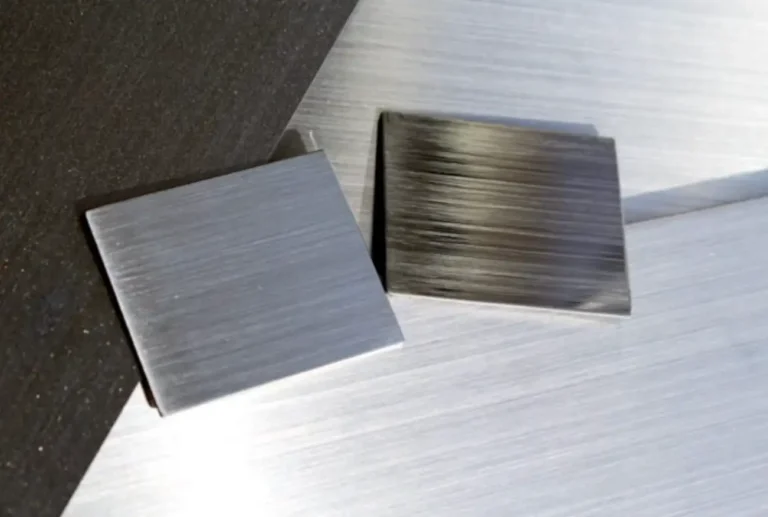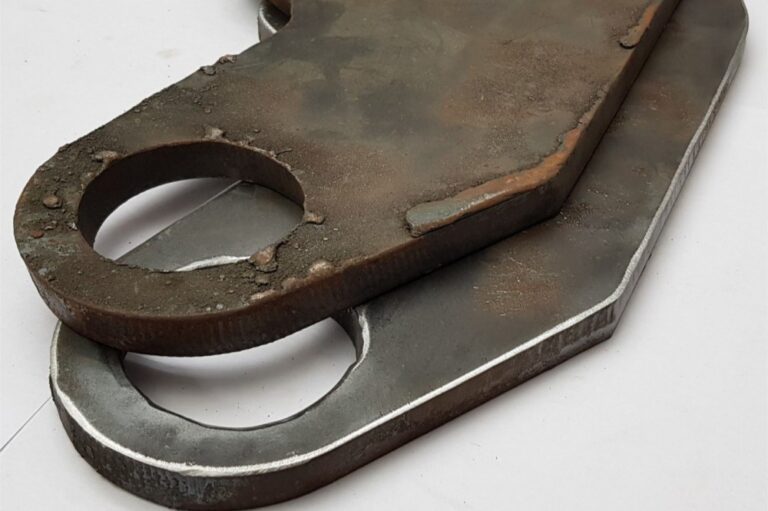
Opening a extensive overview pertaining to mechanized platforms developed purposed for edge cleaning provide changed construction methods, delivering considerable progress across tempo and excellence. This document examines the varied types of machines, consisting of brushing coating tools, linear instruments, and leading digital systems. We will cover the merits of incorporating these solutions, comprising lessened workforce expenses, raised output accuracy, and amplified overall productivity.
Profile Trimming Units: Precision Refining Illustrated
Perimeter polishing systems offer a refined solution for creating correct finalizing on parts. In contrast with manual procedures, these intelligent platforms deliver uniform performance and substantially boost creation potency. Such mechanisms typically utilize multiple grinding instruments like spinning discs, smoothing discs, or particular designs to extract sharp ends and defects. These kinds of technique is key in a expansive selection of trades, encompassing flight and instrumentation.- Advance covering texture
- Diminish assembly fees
- Raise capacity and effectiveness
Dross Removal Mechanisms: Delivering Flawless, Excellent Surfaces
State-of-the-art foundry activities regularly produce significant amounts of byproducts, a byproduct that, if unremoved, can severely damage the quality of the deliverable. Fortunately, advanced scaling tools offer a dependable solution. These custom machines, employing techniques like surface cleaning, are designed to comprehensively eliminate this unwanted material, ensuring a flawless and first-rate surface. The resulting positive effects include decreased rejection rates, strengthened aesthetic appeal, and an overall growth in throughput. By utilizing pioneering slag removal technology, manufacturers can consistently deliver first-class surfaces and satisfy stringent guidelines.
Sheet Metal Polishing: The Benefits of Deburring Devices
Accomplishing a excellent finish on sheet metal units is essential for capability, and deburring systems grant substantial profits over physical methods. Abating burrs promptly not only magnifies the overall quality of the entity, but also minimizes potential faults during construction and functioning. In addition, self-regulating deburring methods strengthen production velocities and minimize human fees.
Optimizing Sheet Metal Production with Automatic Deburring
With the aim to elevate productivity in sheet metal processing, utilize automated deburring tools. Time-honored deburring is typically drawing-out and liable to errors. Transitioning to self-operating deburring provides major profits, embracing lower human resources spending, augmented finished goods, and boosted processing capacity. Such capital expenditures are able to efficiently generate profits.Selecting the Ideal Deburring System for Your Operation
Choosing the premier deburring mechanism for your specific needs involves a comprehensive assessment of several aspects. Foremost, examine the form of input you're operating on – aluminum requires different techniques than composites. Then, evaluate the volume and configuration of the elements needing burr removal. At last, consider your output amount; a bulk operation asks for a specialized type of instrument than a sporadic one. Disregarding to deal with these criteria probably yields deficient results and expanded outlays.
Deburring Machine Method: Evolutions and Revolutions
Latest edge trimming device method is seeing rapid evolution, powered by the requirements for augmented exactness and throughput in manufacturing functions. Critical movements highlight the integration of mechanized apparatuses for adjustable edge-removal workflows, alongside breakthroughs in surface treatment process. We're likewise detecting a surge in portable finishing machines designed for specialized operations, and cutting-edge processes like magnetic burr trimming are winning interest. The outlook reveals towards amplified connectivity of surface smoothing units within the networked plant environment.
Elevating Alloy Segment Performance with Profile Shaping
Many constructing processes for iron parts introduce sharp edges, which can bring about stress zones and liabilities that undermine overall stability. Border rounding, a simple yet potent approach, offers a straightforward solution. It consists of slightly smoothing the jagged edges of a piece during the assembly stage. This minimizes stress spots, improves functional ability, and can avoid splitting. Benefits are further amplified when dealing with complex shapes or parts subjected to extreme pressure. Considerations include the best contour of the shape and its result on attachment with other pieces.
- Cuts down Stress Accumulates
- Increases Performance Effectiveness
- Avoids Breaking
Byproduct Removal vs. Deburring : Knowing the Separations
While many technicians use the labels “slag processing” and “deburring” interchangeably, they describe distinct techniques in metal workshop routines. Bur removal focuses on cleaning the sharp, often tiny, extrusions created during milling operations—these are excess material of stock left on the element. Waste excision, conversely, addresses those byproduct – typically a mixture of oxides – that develops during processes like melting. Essentially, deburring deals with remaining brims, while slag eradication deals with these remains of a diverse operation. Edge Rounding Deburring Machine In summary, robotic deburring and dross removal devices are important components of modern metal processing that deliver first-class finished products with lessened defects and maximized efficiency.Concluding the examination reiterates the key role of modern automated deburring technologies in influencing production criteria and assisting businesses reach greater productivity and grade.