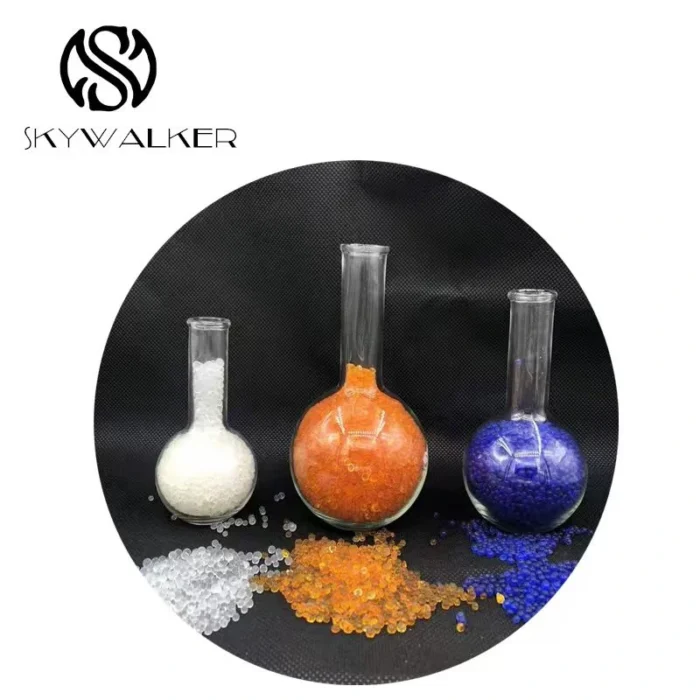
Assimilating treated bleaching substance necessitates a extensive review of its traits. This remarkable object is usually applied in the extraction of edible oils, effectively filtering blemishes. The processing procedure typically involves mechanical treatment, strengthening its adsorption capability to engage colored compounds. Finally, this overview will discuss the basics behind refined bleaching soil and its uses.
Refining Substance Manufacturers: Securing the Fitting Collaborator
Securing a dependable supplier of purifying material is mandatory for many segments, particularly those involved in chemical purification. Picking the suitable vendor requires meticulous consideration beyond just charge. Review their background in refining agent distribution, their inspection procedures, and their efficiency to consistently deliver your output needs. A trustworthy bleaching earth source will also offer guidance and a selection of types to match your specific application.
The Science Behind Improved Refining Aggregate
Improved bleaching substance, a cornerstone for the refining method for edible oils, functions through a fascinating mixture of physical and chemical operations. Initially, naturally occurring chlorite is activated – a approach involving heat and reagents – to drastically increase its surface extent. This expanded surface furnishes an immense number of sites for the particular adsorption of color pigments, undesirables, and negative odor compounds. The mechanism is primarily surface binding, where molecules are held by weak van der Waals interactions, though some active adsorption can also develop with certain agents. This results to a significant minimization of color and boost of the oil's visual quality and flavor.
Lightening Compound - Features and Benefits
De-colorizing material, frequently termed kaolinite, displays unique specifications that justify it very important across broad scope of markets. Its principal attribute is its remarkable clarity, originating from its decreased impurity degree. This aspect makes it appropriate for uses expecting a light effect. In addition to its tinge, purifying element is commonly supple and contains noteworthy moldability, granting it to be simply sculpted. Typical roles encompass cardboard production, synthetic improvement, health compositions, beauty materials, and as an dehydrating material in numerous industrial methods. In addition, it finds use in stoneware and finish sectors.
Determining the Appropriate Processed Purifying Mineral for Your Applications
Opting for the matching decolorizing agent can be a intricate endeavor, bleaching clay as different applications necessitate unique properties. Weigh the sort of fat you’re handling; some minerals are enhanced for flora-based oils, while some are tailored towards faunal fats. Components like void volume and bleaching power highly influence functionality.
- Measure the complexion and essence force of the feedstock to establish the necessary whitening target.
- Inspect the texture; micro-sized particles generally furnish augmented surface area, but may result in cleaning challenges.
- Apprehend the wetness proportion as it determines the earth’s decolorization ability.
Whitening Compound: Creation Procedures and Assurance
The fabrication of bleaching earth, a widely utilized factor for oil refining and chemical purification, involves several key movements. Initially, illite is recovered and then subjected to preparation via heat contact and/or chemical alteration. This procedure enhances the sorptive properties of the compound. Next, rigorous grade screenings are implemented, consisting of quantifications of aggregate size distribution, fatty substance adsorption efficacy, and dampness percentage. State-of-the-art analytical processes, such as surface area analysis and certified evaluation, are used to validate a steady output that aligns with stringent norms.
Environmentally Responsible Sourcing of Modified Bleaching Substance
The increasing demand for activated bleaching earth presents a key challenge regarding its harvesting and environmental ramification. Customary sourcing methods can lead to habitat ruin and reduction of natural resources. Consequently, a reorientation towards sustainable sourcing is imperative. This involves prioritizing practices like revegetation of mined areas, leveraging waste remnants from other industries for manufacture, and assisting indigenous communities to support ethical and conscientious mining functions. Furthermore, validation schemes and exhaustive assessment processes are crucial to verify that the compound is harvested in a truly green manner. Matters should also include lowering heat consumption during processing and fluid usage.
- Land rehabilitation efforts
- Employing waste materials
- Cooperating with local communities
- Certification schemes
Purifying Mineral Supplier Guide: Principal Companies Listed
Selecting a reliable earth distributor can be a issue, but our comprehensive compilation aims to ease the process. We’ve painstakingly organized data and sorted leading businesses in the bleaching earth field. This manual highlights distinguished producers known for their quality and assistance, allowing consumers to track down the excellent source for their specific needs. Numerous factors, including capacity, assortment, and recommendations, were considered in determining these foremost listings.
Apprehending Activated Bleaching Earth Performance Metrics
To competently appraise the performance of activated bleaching earth, it’s crucial to grasp key operational metrics. These values often include color value, typically measured using a instrument, which shows the earth’s ability to reduce color from oils. Besides, acid amount is vital, as it controls the bleaching process; a higher proportion usually matches with improved refinement capabilities. Finally, retentive area, often gauged via BET analysis, profoundly impacts the earth’s capacity to retain colorants, ultimately shaping its overall whitening efficiency.