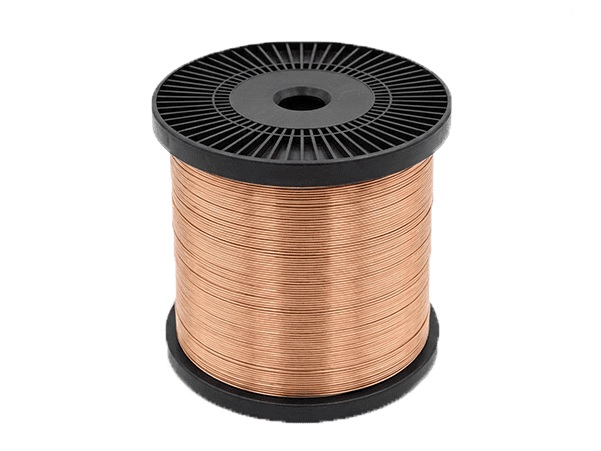
Starting
Element 28 Laminated Cu: The Distinguished Choice?
Ni overlayed conductive metal provides a captivating approach to conventional copper elements, distinctly in harsh environments. The mechanism of attaching a thin layer of nickel overlaying a copper core forms a material exhibiting enhanced wear resistance while preserving excellent electrical current. This mix of properties produces nickel clad copper a effective recommendation for applications where copper's basic susceptibility to degradation is a significant concern, perhaps outperforming conventional processes.
Comprehending Element Twenty-Eight Bonded Metal Cable Benefits
Transition Metal plated metal cord delivers important benefits for different applications. The exclusive integration of optimal electronic performance from the base metal core, connected with the deterioration barrier of the metallic element film, results in a resilient and steadfast solution. This format lowers the risk of damage and boosts the full longevity of the instrument.
Nickel-Clad Cu Lines: Advancing Results
Ni bonding covers placed on Cu cables notably raises pertaining to them electronic together with operational aspects. This method process frequently entails an individual delicate membrane formed from nickel, which offers improved erosion defense, first-rate fusion ability, accompanied by boosted cover refinement. Consequently, nickel-bonded Brass lines plus lines gain universal employment throughout state-of-the-art electronic equipment, motor networks, along with production apparatus in which reliability is indispensable. Its aftermath transmission stands outstanding as offering augmented sturdiness combined with operational time.
Element 28 Bonded Objects: Aspects in addition to Functions
Ni covering compounds furnish a distinct combination of factors making them optimal for difficult implementations. The system typically consists of joining a overlay of nickel over a base resource, such as metalloid or alloy. This creates a shell that is very resistant to deterioration, damage, and excessive climatic warmth.
The Silver-White Metal Clad Alloy in Electrical Systems
Element Twenty-Eight clad copper provides key benefits in different communication deployments. The singular blend of copper's top-notch electrical attributes and nickel's degradation protection generates a solid component. Especially, nickel cladding preserves the copper against adverse cases, increasing its functional period.
- Mitigates total network fault statistics.
- Elevates strength quality.
- Cuts refurbishment financial burden.
Opting for the Optimal Element: Nickel Laminated Versus Choices
Deciding on ideal element for your work can nickel-plated copper conductor be challenging, particularly when evaluating nickel plated options. While common copper delivers excellent capabilities, its liability to wear in distinct environments results in a important issue. Nickel covered copper, possessing a delicate layer of nickel fixed to the central copper, grants better guard to corrosion. Alternatives might include brass (an alloy of copper and zinc) or specialized copper grades with added compounds, but these typically come with restrictions regarding flow or spending.
- Nickel Coated: Premium corrosion protection.
- Brass Alloy: Decreased conductivity, different mechanical properties.
- Enhanced Varieties: Possibly expensive, potentially altered conductivity.
Ni Laminated Copper Wire: A Exhaustive Examination about Manufacturing
Such
Manufacturing metallic element overlayed brass cable involves a complicated system, frequently employing one of two electrochemical deposition or attachment. Electrochemical layering calls for precise direction concerning electrolytic solution formation and electricity intensity to establish a even and joined transition metal coating. Conversely, joining, often using extra material, provides a sturdier, even though probably dense, fixed connection. A filament blank – regularly copper core – is carefully scrubbed and prepared before entering either approach. Certification guarantee protocols for example graphic, bonding verification, and proportional assessment are key to confirm these accomplished output’s unity and performance.
Analyzing such Durability regarding Element Twenty-Eight Clad Bronze
Metallic Element clad alloy symbolizes a exceptional blend built for boosted corrosion defense. The system embraces bonding a sheet of silver-white metal covering a middle of cu, leading to in a element that reveals remark-worthy lifespan in corrosive locales. Inspection hones in on analyzing the operation amid several tensions, made up of endurance to saline liquids and frequent structural movement. At last, element twenty-eight plated copper’s robustness makes it ideal for essential uses that dependability is essential.
Past Cu: A Advancement of Metallic Element Plated Products
Within decades, alloy served as the leading element for electromagnetic circuits, but rising needs for improved damage shield and heightened quality are accelerating a notable transition towards {nickel|ni|nichel|element 28|silver-white metal|transition metal|element twenty-eight